The Advantages of Homeschooling
Ask anyone who loves homeschooling what the advantages are, and you’ll probably hear a long list of the benefits of educating children in the home. Homeschooling is a journey and an adventure, with benefits and rewards for the entire family. Come find out what these advantages are and decide if homeschooling is right for you.
Homeschooling Pros and Cons
Homeschooling is becoming more popular every day, with a growth rate of 7 to 15 percent per year. There are about two million children currently learning at home. Homeschooled kids do well on standardized tests, are welcome at colleges and universities, and as adults, have a reputation for being self-directed learners and reliable employees. To help other parents who are considering homeschooling, here is a new list of pros and cons.
The Case for Homeschooling
Why Do People Homeschool?
Benefits of Homeschooling
More and more children and teens than ever are learning at home. The benefits are clear. Homeschooling gives the advantage of flexibility, academic superiority, efficiency, and the many opportunities that a homeschool family can take advantage of. Education is not a one-size fits all endeavor and homeschooling allows families to learn in the way that best suits them.
The Top 20 Reasons to Homeschool
Canadian Study Confirms Advantages of Homeschooling
Homeschooling Benefits: Children less preoccupied with peer acceptance
Top 5 Reasons Why Parents Homeschool Their Kids
Homeschooling has been on the rise in the United States over the last ten years. According to the U.S. government and education researchers, the number of students being homeschooled has doubled in the last decade. So, why do parents choose to homeschool their children? Through and anecdotal evidence, Calvert Education has put together the top five reasons why parents decide to homeschool their kids: avoiding a negative school environment, getting a higher quality education, improving social interactions, supporting a learning disabled child, and educating during family times of change.
Why do some people choose to homeschool their kids?
More and more American parents are choosing to educate their children at home. What accounts for this trend? Reasons include faith preferences, the individual approach to education, and a desire for a stronger family unit.
18 Reasons Why Doctors and Lawyers Homeschool Their Children
Advantages of Homeschooling a Special Needs Child
Homeschooling: Back to the Future?
Exploring Single Black Mothers' Resistance Through Homeschooling
This work looks at contemporary Black homeschooling as a form of resistance among single Black mothers, exploring each mother's experience and perspective in deciding to homeschool and developing their practice. It faces the many issues that plague the education of Black children in America, including discipline disproportionality, frequent special education referrals, low expectations in the classroom, and the marginalization of Black parents. Most importantly, this work challenges stereotypical characterizations of who homeschools and why.
Nobel Prize Winners' Achievements Don't Prove School Is Good for Learners
Advantages of Homeschooling
Resources
-
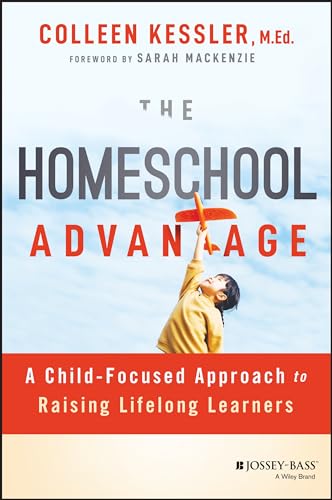
 The Homeschool Advantage: A Child-Focused Approach to Raising Lifelong Learners
 -
 The Homeschooling Advantage: Empowering Your Child’s Education Beyond the Classr...
 -
 Home Advantage: Social Class and Parental Intervention in Elementary Education
 -
 The Advantages of Home Schooling
 -
 The Self-Propelled Advantage: The Parent's Guide to Raising Independent, Mo...
 -
 Science ~ Southwestern Advantage / Great American , Inc. (Southwestern Advantage...
 -
 Homeschooling. Homeschooling Guide. Homeschooling Comprehensive Guide Includes: ...
 -
 The Four-Hour School Day: How You and Your Kids Can Thrive in the Homeschool Lif...






Featured Resources
-
The Homeschooling Advantage: Empowering Your Child’s Education Beyond the Classr...
-
Homeschooling: You’re Doing It Right Just by Doing It
-
The Homeschool Advantage: A Child-Focused Approach to Raising Lifelong Learners
-
The Advantages of Home Schooling
-
The Self-Propelled Advantage: The Parent's Guide to Raising Independent, Mo...
-
The Four-Hour School Day: How You and Your Kids Can Thrive in the Homeschool Lif...

